


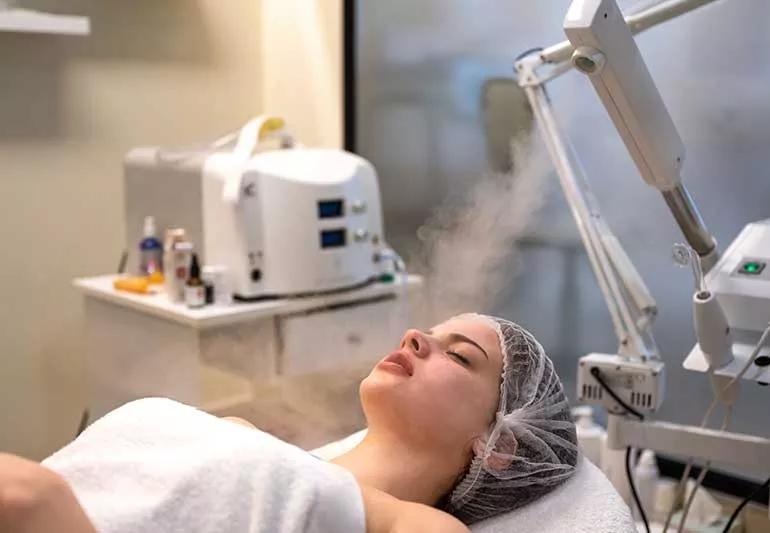
Regenerative medicine in Egypt has moved from research labs into specialised clinics, and many patients now ask whether treatments such as NAD+ infusions, exosomes or stem-cell-based therapies could help them look and feel better. At Diamond Aesthetics in El Nozha, Cairo, our regenerative medicine programme brings these options together under the supervision of Dr. Sherif Hegazy, with one clear rule: every plan starts with a medical assessment, not with a product.
These treatments aim to support the body’s own repair processes, for skin quality, hair, energy and recovery, rather than replace them. Some have a long track record in specific medical uses; others are newer, and their evidence is still developing. We explain honestly what each option can and cannot be expected to do, so patients from Egypt and the Gulf can make a calm, informed decision.
NAD+ IV Therapy in Cairo
NAD+ (nicotinamide adenine dinucleotide) is a coenzyme found in every cell. It helps turn nutrients into energy and takes part in normal cellular repair. Its levels are known to decline with age, which is why NAD+ IV therapy has become popular in wellness and longevity programmes.
Who it may suit
Adults who feel run-down, busy professionals, and people who want a medically supervised wellness plan alongside good sleep, nutrition and exercise. NAD+ is not a treatment for any disease, and research on how much IV NAD+ improves energy or ageing in healthy people is still limited.
How a session works
- Your doctor reviews your medical history, current medications and any relevant checks.
- The infusion is given as a slow intravenous drip in a comfortable room, under nursing supervision.
- The drip rate is adjusted for comfort, as some people feel flushing, nausea or chest tightness if it runs too fast.
- Most people return to their normal activities the same day.
The number and spacing of sessions are decided by your doctor according to your goals and how you respond.
Hyperbaric Oxygen Therapy (HBOT)
In hyperbaric oxygen therapy you breathe concentrated oxygen inside a pressurised chamber. The higher pressure allows more oxygen to dissolve in the blood and reach the tissues. HBOT is an established treatment for certain specific medical conditions; its use for skin rejuvenation, anti-ageing and general recovery is newer, and the evidence in these areas is still developing.
Who it may suit
People who want to support their recovery after an aesthetic procedure (when the treating doctor agrees), active people, and those who want it as part of a wider wellness plan. It is not suitable for everyone: certain lung conditions, recent ear or sinus problems, claustrophobia and some medications need careful assessment first.
What a session feels like
- You rest inside the chamber and can usually communicate with the team throughout.
- Pressure rises gradually; you may feel fullness in your ears, similar to a plane landing.
- At the end, pressure is lowered slowly before you step out.
- Possible side effects include ear discomfort, sinus pressure and temporary changes in vision, which is why screening matters.
Ozone Therapy
Ozone therapy uses a medical mixture of oxygen and ozone. It may be given by treating a small amount of the patient’s own blood and returning it, or by local application. It is used in several countries as a complementary therapy, but claims that it “purifies the blood” or “boosts immunity” are not well supported, and the scientific evidence for most wellness uses remains limited and debated.
For that reason, we only consider ozone therapy after a full assessment, as one optional part of a broader plan, and never as a replacement for any medical treatment you already need.
Safety first
- Ozone is never inhaled, as it can irritate the lungs.
- It is not suitable for some people, for example in pregnancy, G6PD deficiency or an overactive thyroid; your doctor checks this before anything else.
- Sterile, single-use equipment is used for every session.
- Possible side effects include bruising at the needle site, light-headedness or tiredness after the session.
Stem Cell Therapy in Egypt for Skin and Hair
“Stem cell therapy” is a broad term. In aesthetic medicine it usually refers to treatments that use preparations derived from stem cells, or from the patient’s own tissue, to support skin and scalp quality. The aim is to encourage the body’s own renewal, such as smoother skin texture or support for thinning hair, rather than to “rebuild” tissue.
Stem-cell-based aesthetic treatments are still an evolving field. Results vary between people, research is ongoing, and no responsible clinic can promise a specific outcome. Stem cell therapy in Egypt is also regulated, so ask your doctor exactly what preparation is used, where it comes from and what evidence supports it. For a balanced look at the science, read our article on stem cell hair treatment and what the research really shows.
How it is done
- Assessment of your skin or scalp, medical history and expectations.
- A clear explanation of the preparation, its source and the expected course.
- Application by injection or with microneedling, usually after a numbing cream.
- Temporary redness, swelling or small bruises for a few days are common.
Any visible change in skin or hair tends to appear gradually over the following weeks and months, and some people see little change.
Exosome Therapy for Skin and Hair
Exosomes are tiny vesicles that cells release to send signals to one another. Exosome treatments use purified preparations of these messengers, applied to the skin (often after microneedling or laser) or into the scalp, with the aim of supporting collagen production, skin renewal and healthier-looking hair.
Interest in exosomes is high across regenerative medicine in Egypt and worldwide, but exosome products differ widely, long-term research is still developing, and regulators in some countries have not approved them for injection. We tell you which product is used and why. For the basics, see how exosome injections actually work; if you are weighing your options, our comparison of exosomes vs PRP for skin and body is a helpful start. If thinning hair is your main concern, our guide to exosome therapy for hair loss covers what to expect.
What to expect
- A relatively short session, with numbing cream when microneedling is used.
- Mild redness or sensitivity for a day or two.
- A course of sessions is usually recommended rather than one treatment.
- Many patients notice gradual improvement in skin texture and glow, although results vary.
Peptides & Anti-Aging Programmes
Peptides are short chains of amino acids that act as signalling molecules in the body. In longevity and anti-ageing medicine they are used in personalised protocols, by injection, by mouth or in skincare, to support goals such as skin quality, recovery, sleep and body composition.
This is an area where caution matters. Many peptides are still being researched, product quality varies, and some are not approved for medical use. That is why any peptide programme at Diamond starts with a medical history and, where appropriate, blood tests, and is reviewed regularly by your doctor.
What a programme includes
- An assessment of your lifestyle, sleep, nutrition and goals.
- Laboratory tests when they are medically indicated.
- A personalised plan, which may combine peptides with other treatments on this page.
- Regular follow-up to adjust the plan, or stop it if it is not helping.
For a broader overview of this field, read regenerative aesthetic treatments: everything you need to know.
Who Is a Good Candidate for Regenerative Treatments?
- Adults in generally good health who want to support their skin, hair, energy or recovery.
- People with realistic expectations: changes are usually gradual and subtle, not dramatic.
- Those willing to commit to a course of sessions and to healthy daily habits.
- Patients who can share their full medical history and list of medications.
- Treatment may be postponed or unsuitable during pregnancy or breastfeeding, with an active infection, with active cancer or during cancer treatment, with certain blood disorders, or with an uncontrolled chronic illness. Your doctor makes this decision with you.
Your Journey at Diamond Aesthetics
- Consultation and assessment: Your doctor listens to your goals, reviews your health and medications, and examines your skin or scalp where relevant. Tests may be requested before any treatment.
- Personalised plan: You receive a written plan explaining which treatments are suitable, why, how many sessions are expected and the possible side effects. Cost is discussed once the plan is clear.
- Treatment: Sessions take place with sterile equipment and a team that monitors you throughout.
- Aftercare and follow-up: You get simple aftercare instructions and scheduled follow-up, in person or remotely, so your plan can be adjusted to how you respond.
Why Choose Diamond Aesthetics for Regenerative Medicine in Egypt
- Doctor-led care: treatment plans are supervised by Dr. Sherif Hegazy, and every option is medically assessed before it is offered.
- Personalised plans: no fixed packages; your plan reflects your health, goals and response.
- Several technologies in one place: NAD+ IV therapy, hyperbaric oxygen, ozone therapy, stem-cell-based treatments, exosomes and peptide programmes.
- Honest guidance: we tell you clearly where the evidence is strong and where it is still developing.
- Follow-up you can rely on: structured aftercare and review appointments.
- Convenient for Gulf visitors: our clinic in El Nozha, Cairo is easy to reach, and the team can coordinate your visit by WhatsApp. Read more about the full medical tourism journey in Egypt.
If you are considering regenerative medicine in Egypt, the best first step is an unhurried consultation. Call or WhatsApp us on +20 114 947 0043 to book your assessment with the Diamond Aesthetics team in Cairo.
Frequently asked questions about regenerative medicine
What does regenerative medicine in Egypt involve at Diamond Aesthetics?
It covers treatments that aim to support the body’s own repair processes, such as NAD+ IV therapy, hyperbaric oxygen, ozone therapy, stem-cell-based treatments, exosomes and peptide programmes. Each one is offered only after a medical assessment with your doctor in Cairo. Some of these options are well established for specific uses, while the evidence for others is still developing.
What can regenerative medicine cure?
The treatments on this page are not cures for any disease. In aesthetic and wellness medicine they aim to support skin quality, hair, energy and recovery, and results vary from person to person. If you have a medical condition, it should be treated by the appropriate specialist, and your doctor will tell you if a regenerative treatment is unsuitable for you.
How much does stem cell therapy cost in Egypt?
The cost depends on your individual plan: the type of preparation, the area treated and the number of sessions you need. That is why we set it only after your consultation and assessment. You will receive a clear plan before you decide anything.
Are exosomes effective for hair loss?
Exosome treatments for the scalp aim to support a healthier environment for hair growth, and some patients notice gradual improvement. However, research is still developing and results vary. Your doctor first looks for the cause of hair loss and tells you whether exosomes, another treatment or a combination makes most sense.
How many sessions of regenerative treatment will I need?
Most regenerative treatments are planned as a course rather than a single session. The number and spacing depend on the treatment, your goals and how you respond. Your doctor sets this in your personalised plan and adjusts it at follow-up.
Are there side effects?
Every procedure has possible side effects. Depending on the treatment, these can include redness, swelling or bruising, ear pressure with HBOT, or nausea and flushing during an NAD+ drip. They are usually mild and temporary, and careful screening before treatment helps reduce the risk.
Can I have treatment during a short visit from the Gulf?
Many patients from the Gulf plan their visit around a consultation and the first sessions in Cairo. Because most treatments work as a course, your doctor will discuss a schedule that suits your stay and how follow-up can continue. Our team can help coordinate your visit by WhatsApp.