

The hair transplant experience usually starts months before anyone books a consultation, with a photo taken at a bad angle or a glance in a lift mirror under harsh light. What follows is a long, mostly calm year with one discouraging dip in the middle and a slow, steady payoff at the end.
This guide covers what to expect from a hair transplant, stage by stage, from our side of the consultation room. Nothing here is one person’s story. It is the pattern we see in most patients, the worries they bring us at each point, and what helps.
The hair transplant experience: the short answer
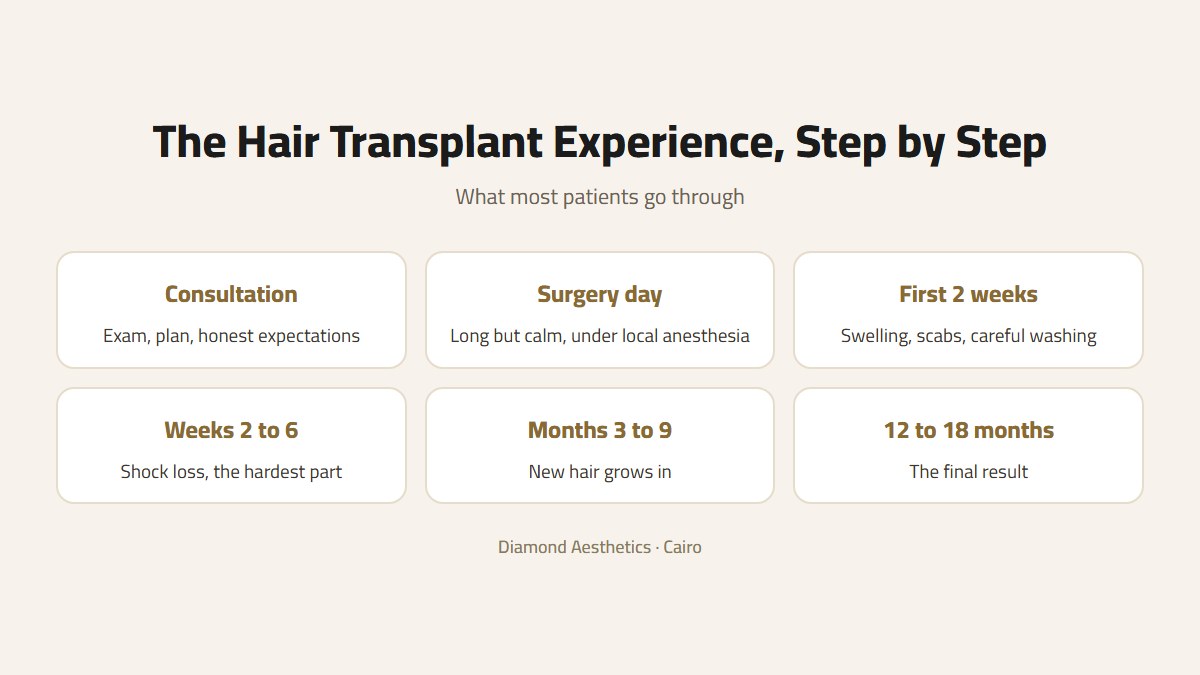
A typical hair transplant experience runs in stages: hesitation and research, an honest consultation, a long but calm surgery day under local anaesthesia, two weeks of swelling and scabs, shock loss around the third week, a few quiet months, new growth from about month three or four, and a final result at 12 to 18 months. For most people the surgery is the easy part. The waiting is what tests them.
Before the first call: hesitation and research
Many patients tell us they spent a year or more managing their hair loss before doing anything. They changed their haircut, avoided overhead lights and stood at the back of group photos. Hair loss rarely feels like an emergency. It just takes up a little more mental space every week.
Then comes the research: forums full of horror stories, before-and-after photos that look too perfect, arguments about graft counts. Much of it is simply wrong, which is why we collected the common hair transplant myths and the facts patients ask us about.
Our advice is to stop trying to master every technique and start looking for a surgeon you trust. The International Society of Hair Restoration Surgery has a clear overview of surgical hair restoration from ISHRS that explains the basics without a sales angle.
The consultation: what we examine and what we tell you
The consultation is where the hair transplant experience becomes real. At our hair transplant and restoration service in Cairo, this is what we look at:
- Your donor area at the back and sides, and how many grafts it can safely give.
- Your pattern and stage of hair loss, and how it is likely to progress.
- Hair thickness, curl and colour contrast with your skin, which all affect how full the result looks.
- Scalp health and any medical history that could affect healing.
Then we talk about honest expectations: what density is realistic, where the hairline should sit, and what the result will not do. Patients often say this reassured them more than any promise. If your loss is still very active and surgery isn’t the right step yet, we will tell you.
We also explain which technique suits your case. If you are weighing options, our comparison of FUE versus DHI for different cases covers the practical differences.
Making the decision
A common worry at this stage has little to do with surgery. People are afraid of hoping, of admitting how much the hair loss bothered them and then being disappointed.
The best answer to that fear is information. Ask who will do each part of the procedure and how soon you can go back to work. The surgeon shapes the whole hair transplant experience, and our guide to finding the best hair transplant doctor in Egypt lists the checks we would make ourselves.
Cost depends on the extent of the work and the technique, so we confirm it only after examining you. Our article on what affects hair transplant cost explains the factors.
Hair transplant day: long, calm and fairly ordinary
Most patients describe hair transplant day as less dramatic than they imagined. You arrive in the morning wearing a button-up shirt, so nothing has to go over your head later. We review the plan, take photos and answer last-minute questions.
Designing the hairline
Before any anaesthetic, the surgeon draws the hairline with you watching in the mirror. This is your moment to speak up. We design a line that will suit your face in ten years, not only today, and we will explain if a lower one would look unnatural later.
Local anaesthesia and the long hours
The numbing injections sting briefly. After that, most people feel pressure but no pain. The procedure takes most of the day, with breaks for food. Patients watch a series, chat with the team or sleep, and a frequent comment at the end is that it was long but easier than expected. You go home the same day with written aftercare instructions.
The first two weeks of the hair transplant experience
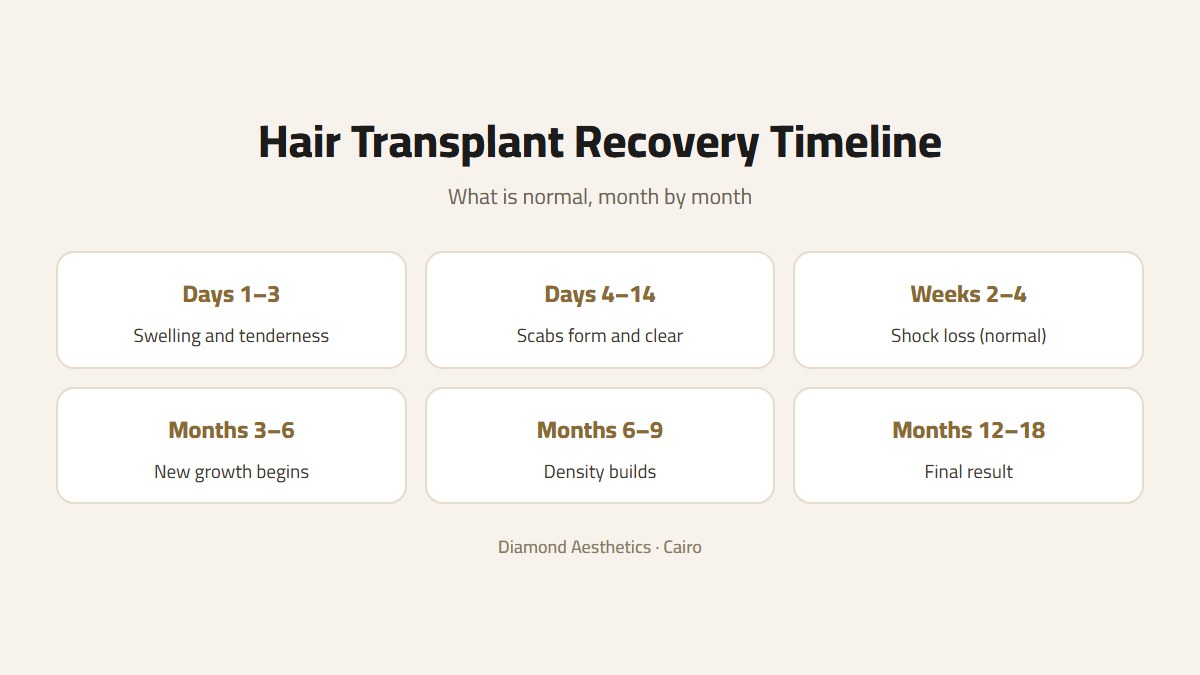
This part of the hair transplant experience is predictable and a little tedious. Forehead swelling is common around days two to four and can drift towards the eyes before it settles. Small scabs form around each graft, and the donor area may feel tight or numb.
- Washing: follow our washing routine exactly, gently, without rubbing the grafts.
- Sleeping: keep your head raised on two pillows for the first nights.
- Scabs: don’t pick them. They usually fall away within about two weeks.
- Activity: no gym, swimming or heavy sweating until we clear you.
- Work: many people with desk jobs return within about a week, often in a loose cap.
Our full guide to hair transplant recovery day by day has the detail.
If redness spreads or pain gets worse instead of better, check the normal and abnormal side effects after a hair transplant and contact us.
Shock loss: the discouraging part of the hair transplant experience
Somewhere around weeks two to four, the transplanted hairs start to fall out. For many patients this is the low point of the whole hair transplant experience. You followed every instruction, and now the new hair is leaving.
It is expected. The follicle survives under the skin and only the hair shaft sheds, then it rests and produces new hair. Some patients also notice temporary thinning of their own hair nearby, which usually recovers.
People who get through this calmly are the ones who knew it was coming, so we explain it twice. Some patients ask what can support the grafts, and add PRP sessions after a hair transplant during these months.
The quiet months
From roughly month one to three, very little seems to happen. This is the most uneventful stretch of the hair transplant experience. The redness fades and you look much as you did before surgery. The urge to check the mirror every morning is strong. Take one photo a month in the same light and then stop looking. The follicles work on their own schedule.
New growth and the final result
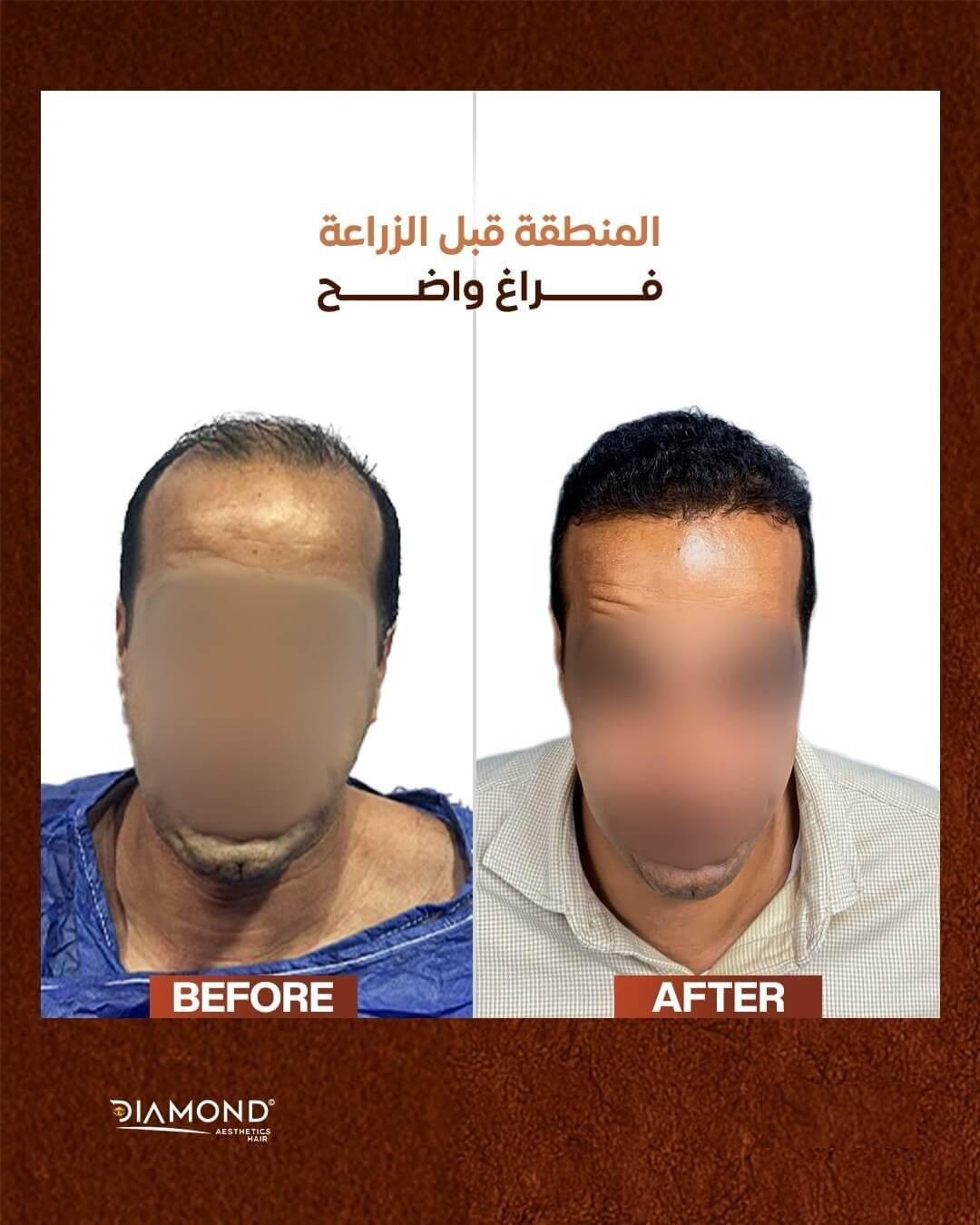
From around month three or four, the first fine hairs appear, thin, soft and uneven. Over the following months they thicken, darken and start behaving like the rest of your hair. Around months six to nine, most patients notice real density for the first time.
The final result arrives at about 12 months, and some areas, especially the crown, keep improving until 18 months. Judge the hair transplant experience then, against your starting photos, not before.
The emotional side of the hair transplant journey
At the one-year visit, patients looking back on their hair transplant experience rarely talk about the hair itself. They talk about no longer thinking about it. They stop checking angles and stop wearing a cap on purpose. The background worry goes quiet.
The emotional arc is similar for women, though the medical side differs because female hair loss tends to be diffuse. Our article on hair transplant for women and who suits it explains the differences.
What makes the hair transplant experience go well, and common mistakes
A smooth hair transplant experience usually comes down to a few habits:
- Choose the surgeon and team first, then think about everything else.
- Understand shock loss and the 12-month timeline before surgery day.
- Follow aftercare exactly and keep follow-up appointments.
- Treat the quiet months as normal.
The mistakes we see are rarely dramatic. People return to the gym too early, scratch scabs in their sleep, or panic during shock loss and try random products. Others book surgery a week before a wedding. Give yourself at least two clear weeks before any big event.
The biggest mistake comes before surgery: choosing on a low offer without checking who operates. You can read about the background of Dr Sherif Hegazy, our founding surgeon, who leads our hair restoration team.
The hair transplant experience in short: an honest consultation, a long but comfortable surgery day, two weeks of careful aftercare, a discouraging shed around week three, a few quiet months, and steady growth that reaches its final look at 12 to 18 months. Knowing this timeline in advance is what keeps a hair transplant experience calm.
FAQ
Questions about the hair transplant experience
What should I expect from a hair transplant?
Expect a full day procedure under local anaesthesia, about two weeks of swelling and scabs, shedding of the transplanted hair around weeks two to four, new growth from month three or four, and a final result at 12 to 18 months.
Is hair transplant day painful?
The numbing injections sting briefly. After that most patients feel pressure rather than pain, and many rest, watch something or sleep during the procedure.
What is the hardest part of the hair transplant journey?
For most people it is shock loss and the quiet months that follow, when the transplanted hair has shed and nothing new is visible yet. Knowing this stage is normal makes it much easier.
When can I go back to work after a hair transplant?
Many people with office jobs return within about a week, once swelling settles. Physical jobs and the gym need longer, and we confirm timing at your check-up.
Does everyone get shock loss?
Most patients have some degree of it. It is an expected stage, the follicles survive, and new hair grows from them over the following months.
When will I see the final result?
Most of the change is visible by month 12, and some areas such as the crown keep improving until around month 18.
Start your hair transplant journey with an honest consultation

If you have been circling this decision for a while, the useful next step is a proper look at your donor area and hair loss pattern. We will tell you plainly what is realistic and what your own hair transplant experience is likely to look like. You can read more about our hair transplant and restoration options first.
When you are ready, book your consultation through our contact page and our team will get back to you.